
What makes candid photography effective
A candid photograph catches a moment as it unfolds, rather than asking people to recreate it for the camera. In Australian cities, that might be a friend laughing over coffee, a child watching a busker, or a quick exchange at a market stall. This candid photography guide is about noticing those small, real moments and making photographs that feel like being there.
How candid photos differ from posed portraits
A posed portrait gives you time to arrange the people, their expressions, and the setting. Candid photography starts with what is already happening, so your attention shifts from directing people to watching the scene. The result may be less polished in a formal sense, but it can carry the looseness and character of the moment.
Why genuine moments tell stronger stories
An expression or gesture can reveal how people relate to one another without spelling everything out. A hand reaching across a café table, a glance shared between friends, or someone pausing in the shade gives a viewer details to discover. Small, unguarded details often make a frame feel personal, even when the scene is familiar.
Candid photography styles, from family to street
The approach works in many settings, from family gatherings and community events to busy footpaths and quiet neighbourhood corners. At home, you might follow an ordinary routine; on the street, you can look for layers of movement and interaction. The setting changes, but the aim is similar: respond to the moment instead of arranging it.
When candid photography works best
Candid photographs often suit situations where people are absorbed in what they are doing. A conversation, a shared meal, or the bustle of a weekend market can offer natural gestures and changing expressions. Give yourself time to observe; a scene that seems uneventful at first can become more interesting as people move through it.
Prepare to capture unscripted moments
A little preparation can make it easier to react without taking you out of the scene. You do not need a complicated kit, especially when a phone is already close at hand. Think about where you will be, what you can carry comfortably, and how to stay attentive to the people around you.
Choose a camera and lens that suit the setting
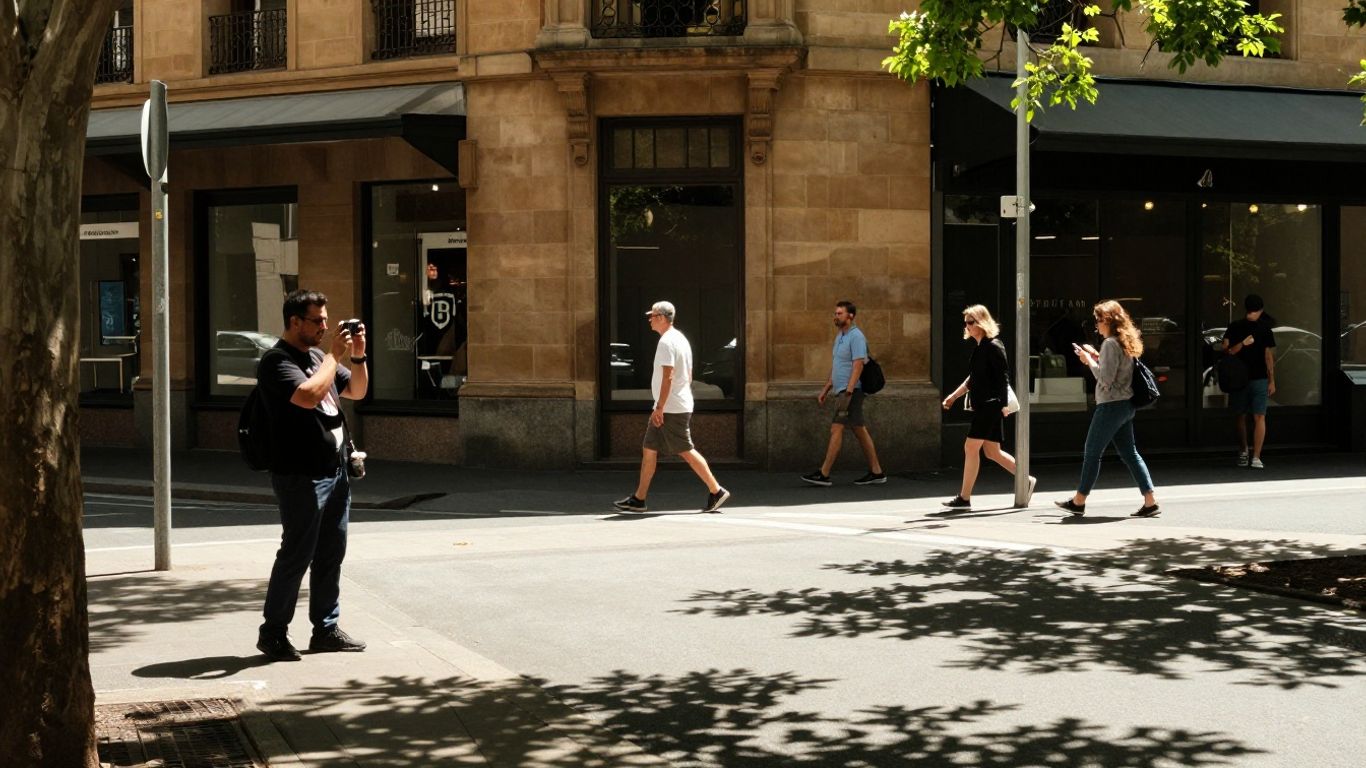
For a walk through town, a phone can be a practical choice: it is easy to carry and ready when a scene changes quickly. If you use a camera, choose a lens or zoom range that lets you frame comfortably from a respectful distance. A familiar setup is usually more useful than gear you are still trying to figure out.
Check your gear before the moment unfolds
Before heading out, check that your battery has charge, your lens is clean, and there is room to save new images. On a phone, make sure the camera app is ready to open and that the lens you plan to use is unobstructed. These small checks keep you from fumbling when a brief expression or gesture appears.
Look for interesting light and backgrounds
Light and background can quietly shape the mood of a photograph. In a city, reflected light from a pale wall may soften a face, while a shaded arcade can offer a calmer place to watch activity pass by. Before raising your camera, notice what sits behind your subject; a cluttered sign or bright patch can pull attention away from the moment.
Anticipate moments without directing them
You can prepare by observing patterns rather than asking people to repeat an action. A tram stop, a busy crossing, or a café counter may have a steady flow, giving you time to find a useful viewpoint. These quick checks can help you settle into a scene:
- Notice where people pause or naturally gather.
- Look for light that stays fairly consistent.
- Choose a position that does not block anyone.
- Keep your camera ready without holding it up constantly.
Once you have a sense of the rhythm, wait for the scene to develop. Anticipation is not prediction; it simply helps you be ready while leaving the moment untouched.
Choose camera settings for candid photos
Good settings give you room to respond, but there is no single combination that suits every candid scene. Movement, available light, and how much of the background you want in focus all matter. With a phone, some controls may be automatic; with a camera, you can make more of those choices yourself.
Set a fast shutter speed to freeze movement
If your subject is walking, gesturing, or playing, a faster shutter speed can help keep the movement crisp. When the light is low, however, a very fast speed may leave the image too dark unless you adjust another setting. Take a test frame and check whether the motion looks the way you want before the scene gets busy.
Balance aperture and depth of field
A wider aperture can help separate a person from a busy background, while a smaller aperture can keep more of a group or street scene in focus. The useful choice depends on what gives the moment its context. This simple guide can help you think through the trade-offs when using a camera with manual controls.
| Scene | What to prioritise | A useful adjustment |
|---|---|---|
| One person in motion | A crisp subject | Choose a faster shutter speed |
| A group together | Several faces in focus | Use a smaller aperture if light allows |
| A dim café | Enough light for the scene | Open the aperture or raise ISO |
| A layered street view | People and surroundings | Keep more depth in focus |
Treat these as starting points, not fixed recipes. Make a small change, look at the result, and decide whether the photograph still shows the atmosphere you noticed.
Adjust ISO as the light changes
When the light fades, raising ISO can help you keep a faster shutter speed or a smaller aperture. The trade-off is that higher settings can make an image look grainier, particularly in dark areas. If you are using a phone, its automatic exposure may handle this in the background, but you can still tap to set focus and exposure where supported.
Use autofocus and burst mode thoughtfully
Continuous or tracking autofocus can help when a subject is moving, while single focus may suit a person who is briefly still. Burst mode can be useful for a quick sequence, but firing continuously may leave you with many nearly identical frames to review. Use it when timing is genuinely difficult, then return to watching the scene rather than the screen.
Capture natural expressions and compelling scenes
Once your camera is ready, the work becomes a balance between attention and restraint. You are looking for a photograph that feels complete, not merely for a face caught at an interesting instant. The setting, the gestures around the subject, and the space in the frame all contribute to that feeling.
Blend in without missing the action
Move calmly and avoid drawing attention to yourself through sudden changes in position. In a public place, you can pause at the edge of a scene and let people continue with their day rather than following them closely. Keep your phone or camera at a comfortable height, and lower it when there is no clear moment to photograph.
Focus on gestures, interactions, and small details
Expressions are only one part of a candid photograph. Notice hands passing a takeaway cup, a shoulder turned towards a friend, or a pause in conversation that changes the mood of the scene. Those details can help the viewer understand the connection between people, even when no one is looking at the camera.
Use framing and composition to guide the viewer
A frame can feel more considered when you decide what to include and what to leave out. Doorways, windows, and the edges of awnings can provide natural borders, while open space can show where a person is headed. Watch the edges of the image as well as its centre; small distractions can compete with an otherwise clear moment.
Know when to wait and when to take the shot
Some scenes reward patience: the light may be right, but the people have not yet moved into a useful arrangement. Other moments are brief, and waiting for a perfect frame would mean missing them. Let your judgement guide you, and try not to turn every pause into a reason to take another photograph.
Photograph people with care and respect
Candid work involves real people, so good judgement matters as much as timing. Public settings can still feel personal, and a camera may change the mood even if you mean no harm. Pay attention to the context, the people around you, and any rules that apply to the place.
Read the room before raising your camera
Look for signs that a photograph would feel intrusive, such as a private conversation, visible distress, or someone trying to keep to themselves. A lively public event may feel different from a quiet moment on a residential street. If you are unsure, lower the camera and give the situation space.
Ask for permission when the situation calls for it
If you want to make someone the clear subject, asking first can be the considerate choice. That changes the nature of the image, but it can also make the exchange more comfortable and transparent. For a spontaneous scene, use your judgement about whether photographing at all is appropriate, and respect a person who indicates they do not want to be photographed.
Respect privacy and local photography rules
Places can have their own restrictions, and expectations vary between public areas, private venues, and organised events. Check posted guidance and ask the people responsible for a location when the rules are unclear. Avoid sharing identifying or sensitive images without considering the effect on the people pictured.
Avoid interrupting or staging authentic moments
A candid photograph loses some of its character if you stop the action to get a better expression or ask people to repeat a gesture. If a moment passes, let it pass; another one may come along. Respectful restraint helps preserve both the scene and the trust of the people sharing it.
Edit candid photos without losing their natural feel
Editing can bring out details that were hard to see in the moment, but it should not make an ordinary scene look artificial. Start by deciding what the photograph is about, then make only the changes that help the viewer see it more clearly. A light touch often suits images built around unplanned expressions and everyday settings.
Select images that tell a clear story
When reviewing a set, look for frames that show a distinct expression, gesture, or relationship to the surroundings. You may find that one photograph communicates more than several near-duplicates. Keep the images that add something different, and do not feel obliged to use every frame simply because you took it.
Make restrained adjustments to exposure and color
Small changes to brightness, contrast, and colour can help a photo resemble the scene as you remember it. Watch skin tones and bright areas as you edit; pushing them too far can make a natural moment feel overly processed. If a photograph looks most convincing before an adjustment, there is no need to keep changing it.
Crop to strengthen composition
A crop can remove a distracting edge or bring attention back to the interaction. Leave enough space to preserve a person’s movement and the context that makes the scene meaningful. Before trimming closely, check whether an object or another person in the frame is part of the story rather than clutter.
Keep edits consistent across a photo set
If you are sharing several photographs from one outing, similar colour and brightness can help them sit together naturally. Consistency does not mean every image needs identical treatment; a shaded laneway and a bright afternoon street will look different. Aim for a set that feels connected without flattening the character of each scene.
Conclusion
Candid photography grows from paying attention: to light, movement, expressions, and the comfort of the people around you. Prepare enough to respond, then leave room for the scene to unfold on its own. Whether you are carrying a phone through an Australian city or photographing a gathering close to home, a thoughtful, respectful approach can help you keep the moments that feel true to the day.